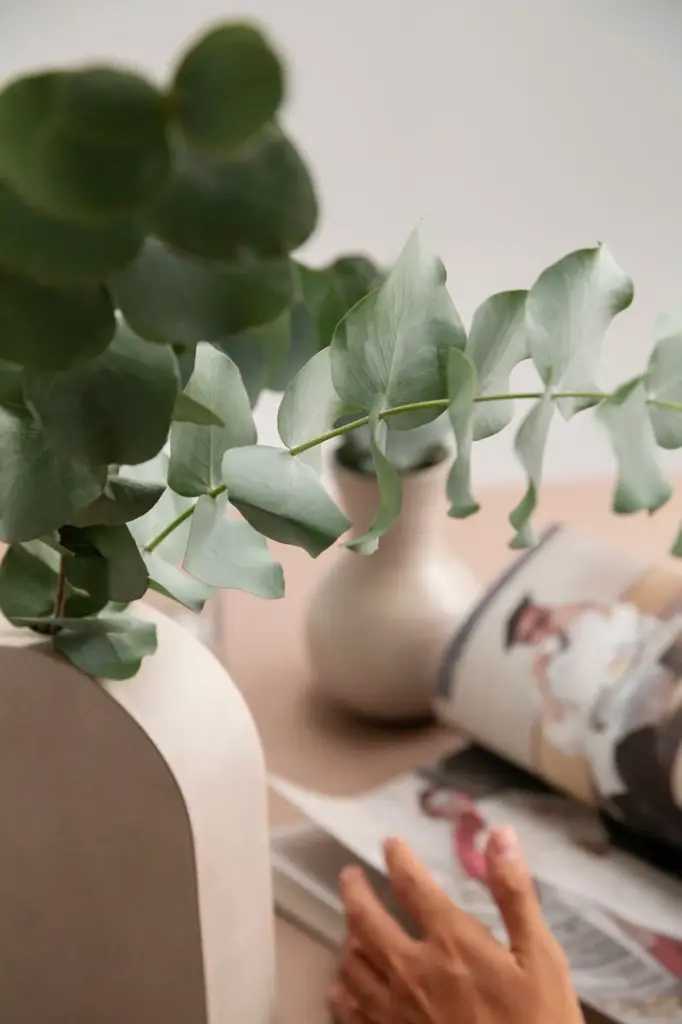
Foundations of Quiet Elegance

Creating a serene, logo-free interior begins with intention: fewer, better pieces selected for substance rather than status. Choose a cohesive palette, invest in time-honored materials, and edit surfaces until each object earns its place. Your rooms will feel calmer because every line, finish, and texture harmonizes, letting art breathe and conversation flow. This approach honors provenance, welcomes patina, and prioritizes the gentle confidence of quiet luxury without a single visible label demanding attention.

Palette and Texture

Start with a restrained color family—warm whites, charcoals, olive greens, or muted mineral tones—then layer textures that reward touch and daylight. Linen against limestone, oak beside wool, clay near plaster: tactile pairings soften edges while avoiding loud prints. Without overt logos, these nuanced surfaces become the focus, making each room feel grounded, human, and beautifully timeless. Invite feedback on your palette experiments and notice how daylight subtly shifts hues across changing seasons.

Materials and Craftsmanship

Select natural, honest materials whose beauty improves with age. Solid wood with visible grain, unlacquered brass that mellows, handwoven textiles with minor irregularities, and stone bearing geological memory invite conversation without shouting. When craftsmanship leads, there is no need for branding to validate worth. Document maker stories, keep certificates or notes, and share your discoveries with fellow readers who appreciate the intimacy of a hand-finished edge and a well-chiseled joint.

Choosing Art That Speaks Softly

A refined, logo-free home favors art selected for emotional resonance, not notoriety. Consider how works relate to each other across rooms, matching sensibilities rather than signatures. A charcoal landscape can dialogue with a minimal ceramic vessel nearby, while a small portrait anchors a reading nook. Build cohesion with scale, palette, and subject, then frame deliberately to elevate without distraction. Share the piece that first made your heart pause—its memory will guide future acquisitions.

Scale and Sightlines

Before acquiring, test size with taped outlines, newsprint mockups, or projected dimensions, checking views from entries and seated vantage points. A medium canvas may command a hallway if it greets with grace, while an intimate sketch can perfect a bedside. Avoid crowding; allow negative space so brushwork or paper texture is legible. Report back with photos of your mockups, and notice how balanced proportions instantly quiet a room without relying on branded impact.

Framing Without Distraction

Choose frames that honor the art and architecture rather than fight them. Thin oak for modern drawings, museum profiles for photographs, float mounts for deckled edges, and archival mats to protect paper. Skip shiny finishes and obvious logos; neutral tones or soft metals often feel effortless. Glazing with UV protection preserves pigments while softening reflections. Readers who switched to matte frames often describe a subtle transformation: suddenly the artwork, not the frame, carries the conversation.

Narrative Cohesion

Build a collection like a thoughtful conversation. A moody seascape can echo the blue-gray veins of marble, while a monochrome print echoes charcoal upholstery piping. Keep a simple catalog with purchase dates, sources, and personal reflections. Rotate pieces seasonally to refresh energy and reveal new dialogues. Share your pairing experiments—perhaps a hand-thrown bowl shares a horizon line with a photograph, creating a quiet duet that looks inevitable once discovered.

Details That Whisper, Not Shout

Small, logo-free details shape the aura of a home as surely as large furnishings. Choose textiles with nuanced weave, hardware with soulful patina, and vessels with imperfect rims that invite gentle handling. Decant everyday goods into glass or ceramic to remove visual noise. Books, branches, and stones gathered on walks make humble, powerful statements. Add one personal ritual—fresh blooms on Fridays, or a candle at dusk—and share how these gestures reshape your space.

Textiles with Tactility

Select natural fibers—linen, wool, cotton, silk—where hand and drape matter more than graphic prints. Subtle patterns like herringbone or boucle add dimension without stealing focus from art. Washable slipcovers reduce stress and encourage long-term use. A reader once removed branded cushions and layered a vintage wool throw; the room instantly breathed, and the painting above the sofa suddenly felt larger. Try similar swaps and tell us what changed for you.

Ceramics, Glass, and Patina

Handmade ceramics and mouth-blown glass carry micro-variations that read as alive in daylight. Group pieces by tone or silhouette, not label, and let negative space between them play a role. A weathered terracotta planter can balance a refined bronze bowl, proving contrast can be quiet. Share your shelf styling attempts—odd numbers, staggered heights, and color echoes often help. When names disappear, form and material finally speak their gentle truth.

Decanting and Discretion

Minimize visual noise by decanting soaps, pantry staples, and detergents into unlabeled containers, then tuck refills away. Corral remotes and cables in discreet boxes. In kitchens, stack plain stoneware and show restraint with open shelves. A subscriber told us removing loud packaging from a counter made her vintage print look newly important. Try a weekend declutter, then post a before-and-after note describing how your art reads cleaner once labels are out of sight.

Light as a Curator

Lighting shapes emotion, reveals material nuance, and protects delicate works. Aim for layered illumination: soft ambient light for warmth, precise accents to honor art, and task lighting for reading or cooking. Mind color temperature and CRI so textiles and pigments render faithfully. Use UV-filtered glazing where sun is intense. Dimmers welcome evening rituals that signal rest. Share your most transformed corner after adjusting bulbs; small changes often feel beautifully architectural.

Vintage Sourcing and Restoration

Hunt thoughtfully: estate sales, small auction houses, and reputable dealers often reveal underpriced gems. Inspect joinery, veneers, and odors; ask about prior repairs. Gentle restoration preserves character—clean, wax, tighten, but avoid over-sanding patina. One reader rescued a walnut sideboard, then discovered a handwritten inventory list inside a drawer, a small biography for the piece. Tell us about your best find and the subtle restoration steps that returned its quiet dignity.

Collaborating with Makers

Commissioning from artisans yields pieces that reflect your rooms rather than trends. Share inspiration images, dimensions, and lifestyle needs, then trust the maker’s hand. Keep communications clear but generous; beautiful work follows mutual respect. When a ceramicist learned a client’s home favored evening light, she softened glaze to glow at dusk. Consider similar collaborations and introduce your chosen craftspeople to our community; their stories deepen connection, replacing labels with living relationships.

Healthy Materials and Longevity

Prefer low-VOC finishes, natural fibers, solid woods, and mineral paints that age gracefully. Durable choices reduce replacement cycles and visual churn, supporting both wellness and calm aesthetics. Maintain a simple care calendar for conditioning wood, laundering linen, and inspecting mounts. When pieces are loved and maintained, rooms feel composed rather than constantly updated. Share your maintenance rituals and any trusted products, helping others protect art and textiles so they remain quietly beautiful for decades.

Sustainability with Soul

Refined restraint pairs naturally with responsible choices. Vintage furniture, estate art, and locally crafted decor reduce waste and carry history that enriches daily life. Favor finishes you can maintain, not discard. Choose makers who repair what they build, and celebrate provenance notes tucked behind frames. A logo-free approach keeps focus on stewardship and memory. Share your favorite salvage yard or artisan studio; our readers love sourcing tips that turn patience into heirloom discoveries.

Room Compositions That Breathe

Translate principles into practice, room by room. Establish rhythms of height, balance, and pause so art and objects converse across thresholds. Anchor each space with a meaningful piece, then support with textures and light. Reduce surface clutter to reveal silhouette and grain. When we removed a glossy vase with a large logo from a mantel, the family portrait finally felt intimate. Try one deliberate edit per room and report the mood shift you notice first.

Living Room Flow

Treat the living room as an invitation to linger. Keep pathways wide, seat heights compatible, and coffee table surfaces edited. A single large work can hold the wall, with a quiet stack of books and a handmade bowl nearby. Avoid crowded gallery walls unless spacing is generous. Test arrangements during a gathering and note what guests gravitate toward. Share your layout sketches and how removing one attention-seeking object helped the art become the gracious host.

Bedroom Sanctuary

Prioritize rest by curating gentle visuals and soft textures. Frame a small drawing over the nightstand or lean a quiet landscape on a dresser. Choose bedding with breathable natural fibers, letting tone-on-tone weaves replace graphic branding. Keep personal mementos few but meaningful—a pressed leaf, a favorite poem. Dim lighting in layers, then journal the difference in sleep quality after a week. Tell us which change felt most supportive of calm, unhurried mornings.

Luxutenuzulopoleturo
Privacy Overview

This website uses cookies so that we can provide you with the best user experience possible. Cookie information is stored in your browser and performs functions such as recognising you when you return to our website and helping our team to understand which sections of the website you find most interesting and useful.